The Brief
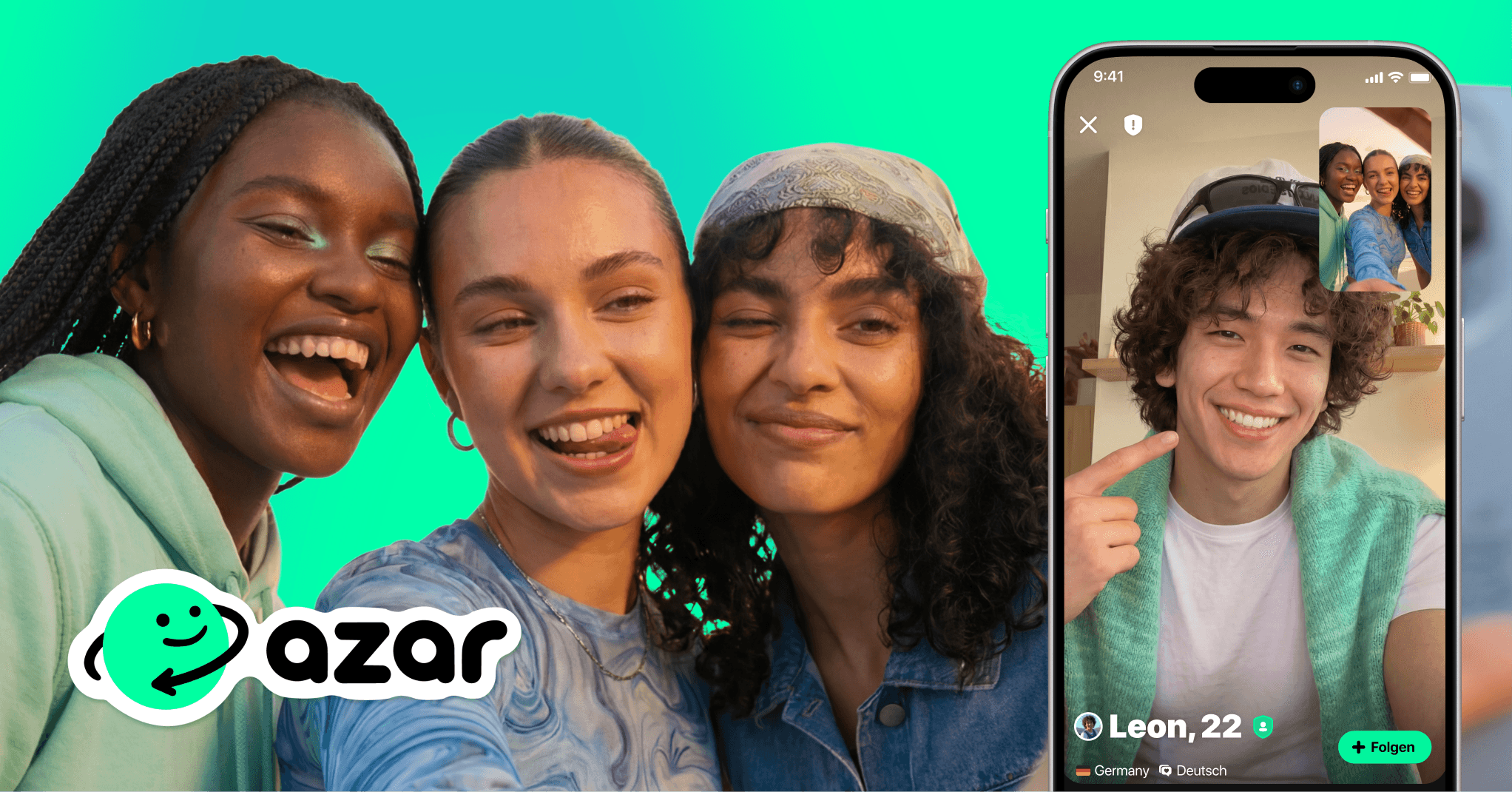
Azar operates in 230 countries. Vividi, its sister app, runs in 29, spanning Asia, Europe, the Middle East, North America, and Latin America. The challenge wasn't just making ads. It was building a system to figure out what message, visual, and format actually moves people to register, and more importantly, which ones bring in users who will actually use the app.
Visual Testing
Message Testing

Insight
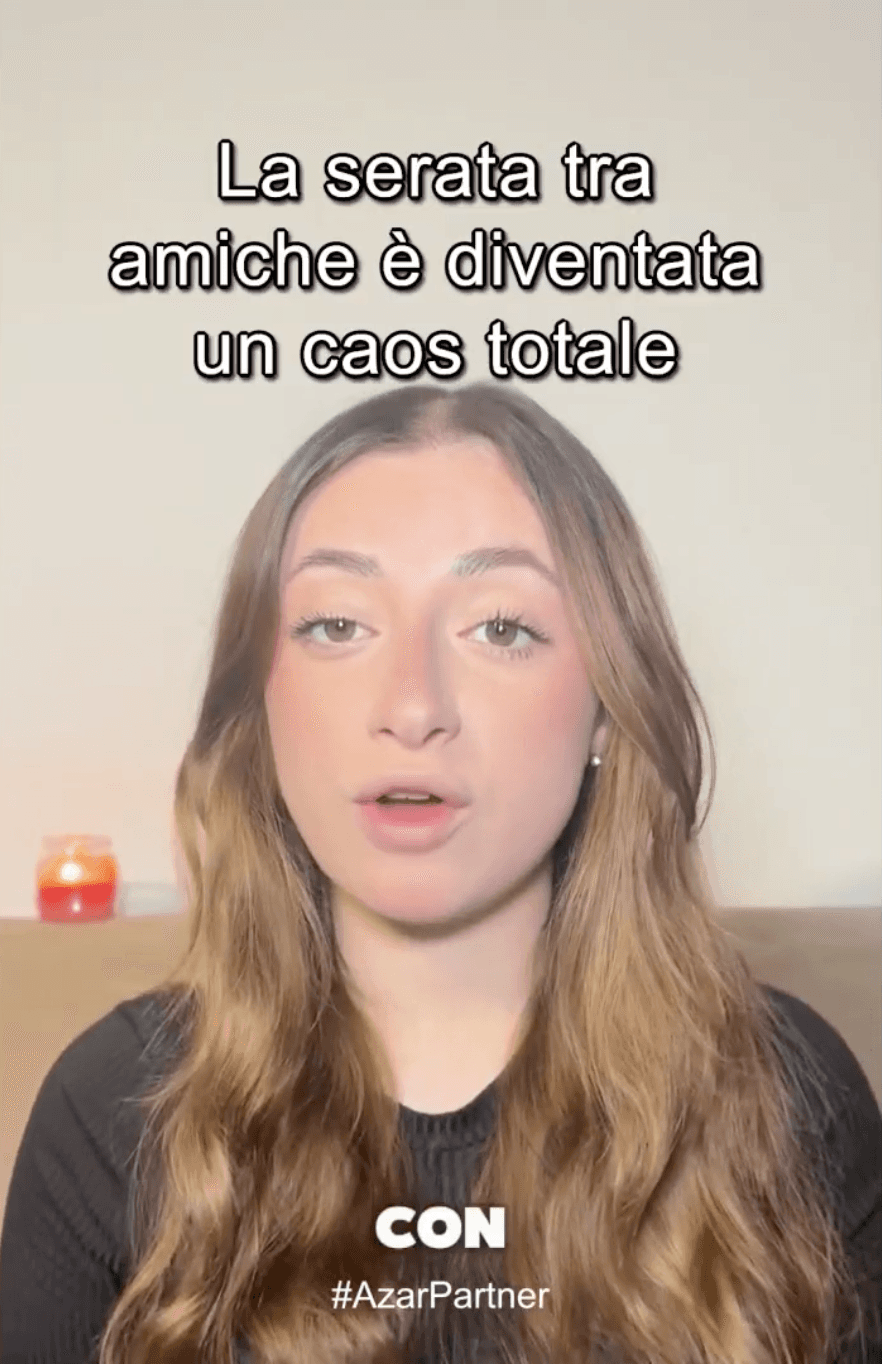
People don't open a video chat app to build relationships. They open it to enjoy a moment, kill some time, say something they can't say to their friends, have a conversation worth having. The winning messages weren't about what Azar could become for someone. They were about what it is, right now, in that moment.
Light topics. Casual energy.
Entertainment first.
That's the creative insight. And it's now the foundation for everything that comes next.
Intro CTA Testing

Tooling
Ad review tool : auto-translates scripts, scores predicted performance, flags per country legal risk, exports to PDF/Notion.
Script translator & formatter : paste a script, pick markets, get localized versions down to subtitle line-breaks and Arabic phonetics.
The Work
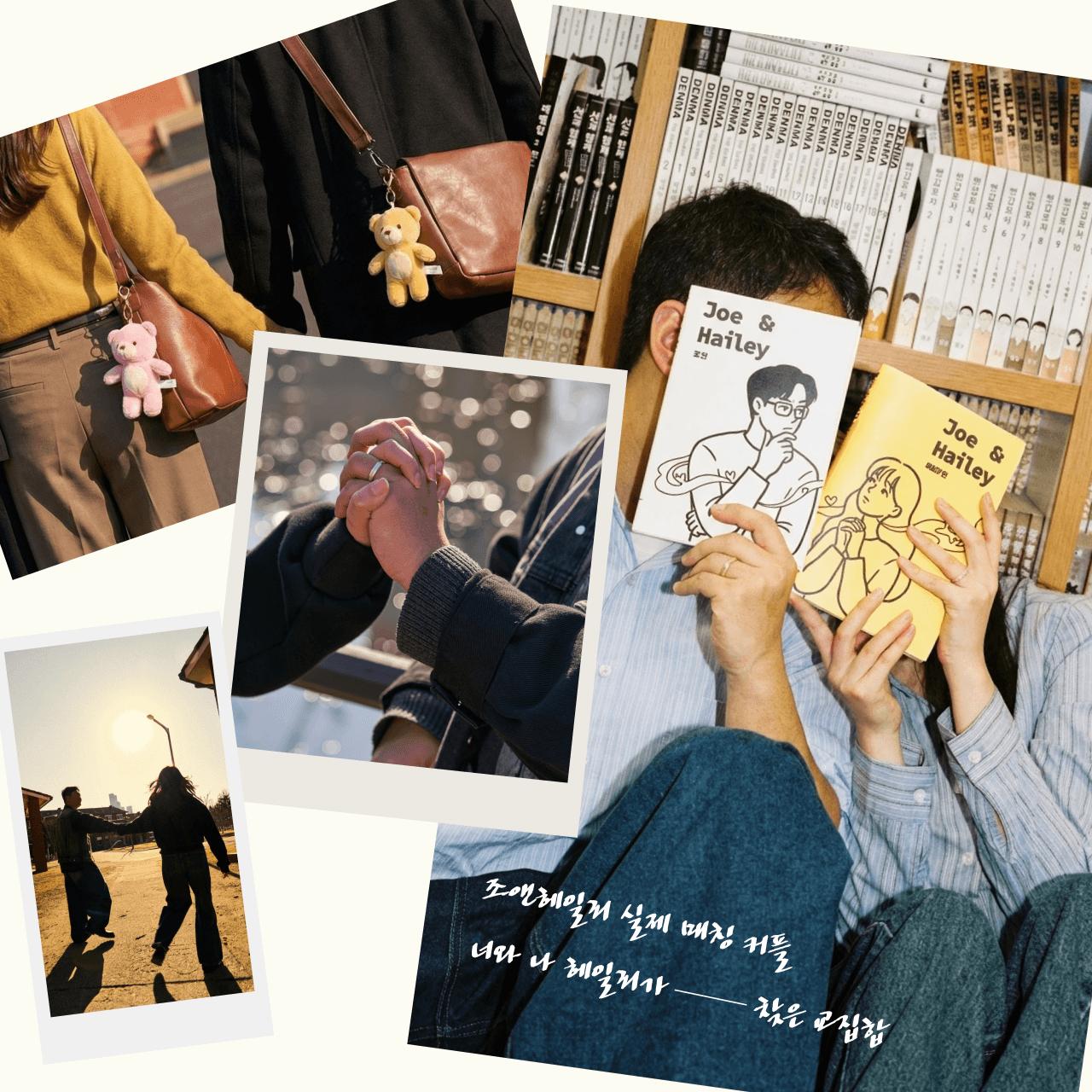
A selection across markets, each piece designed for a specific audience, message angle, and platform behavior, not made to fill a brief.
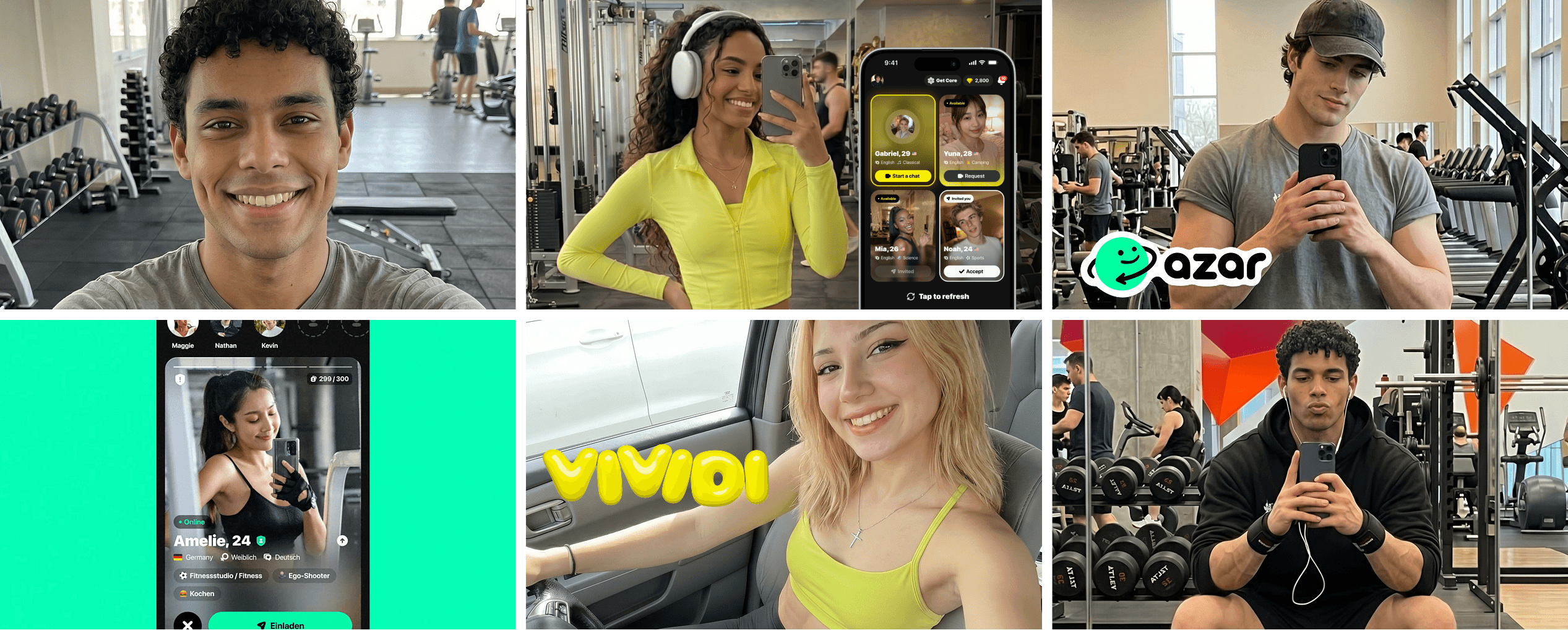
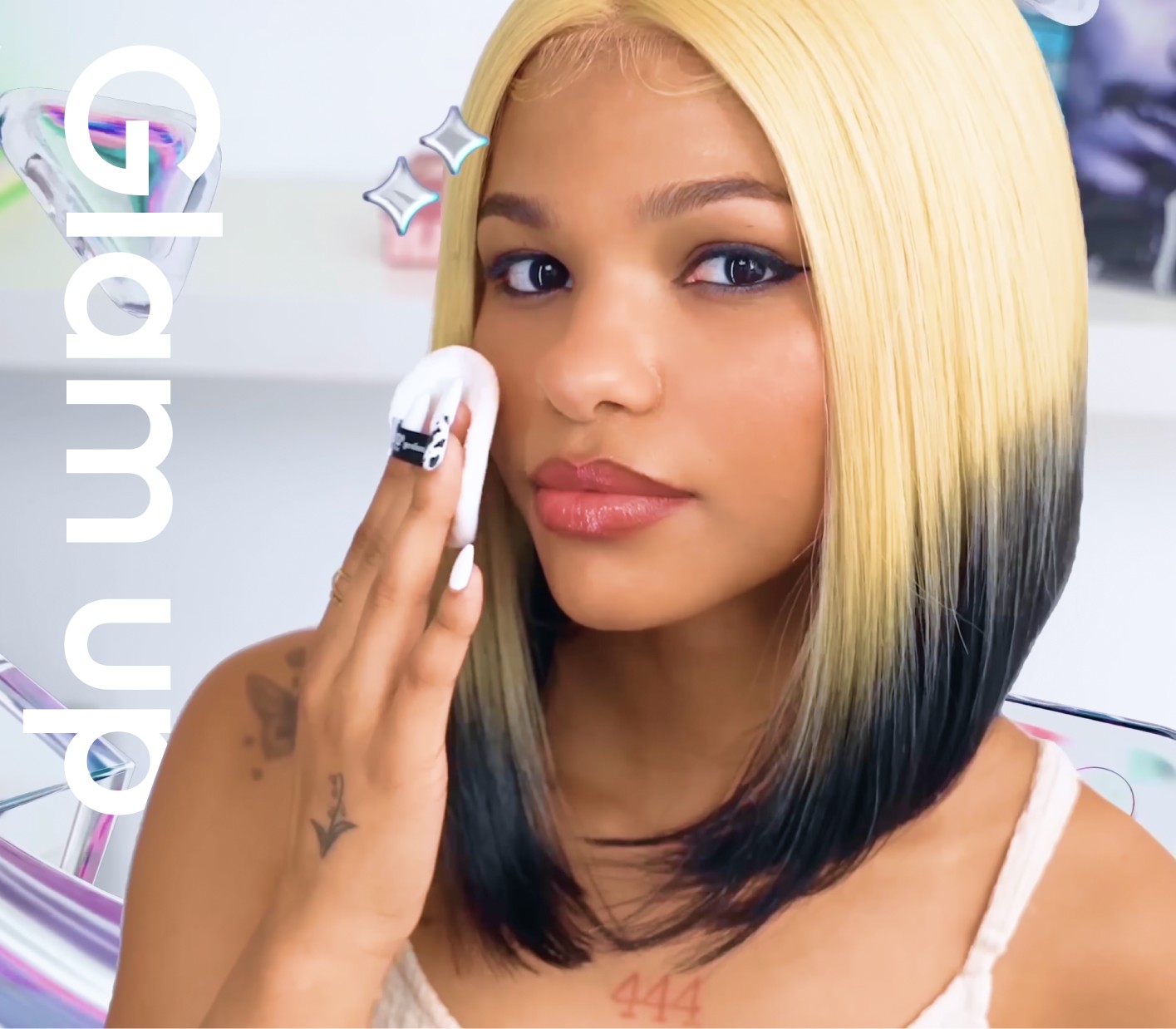
Gym selfie (Brazil/Algeria) · Product UI mockup (UK/IT/DE/FR)
Product UI mockup - UK/IT/DE/FR. Shows the card swiping UX in the first 3 seconds.
"Every app is too serious" - Vividi. Positions the app as the lightest option in the category.
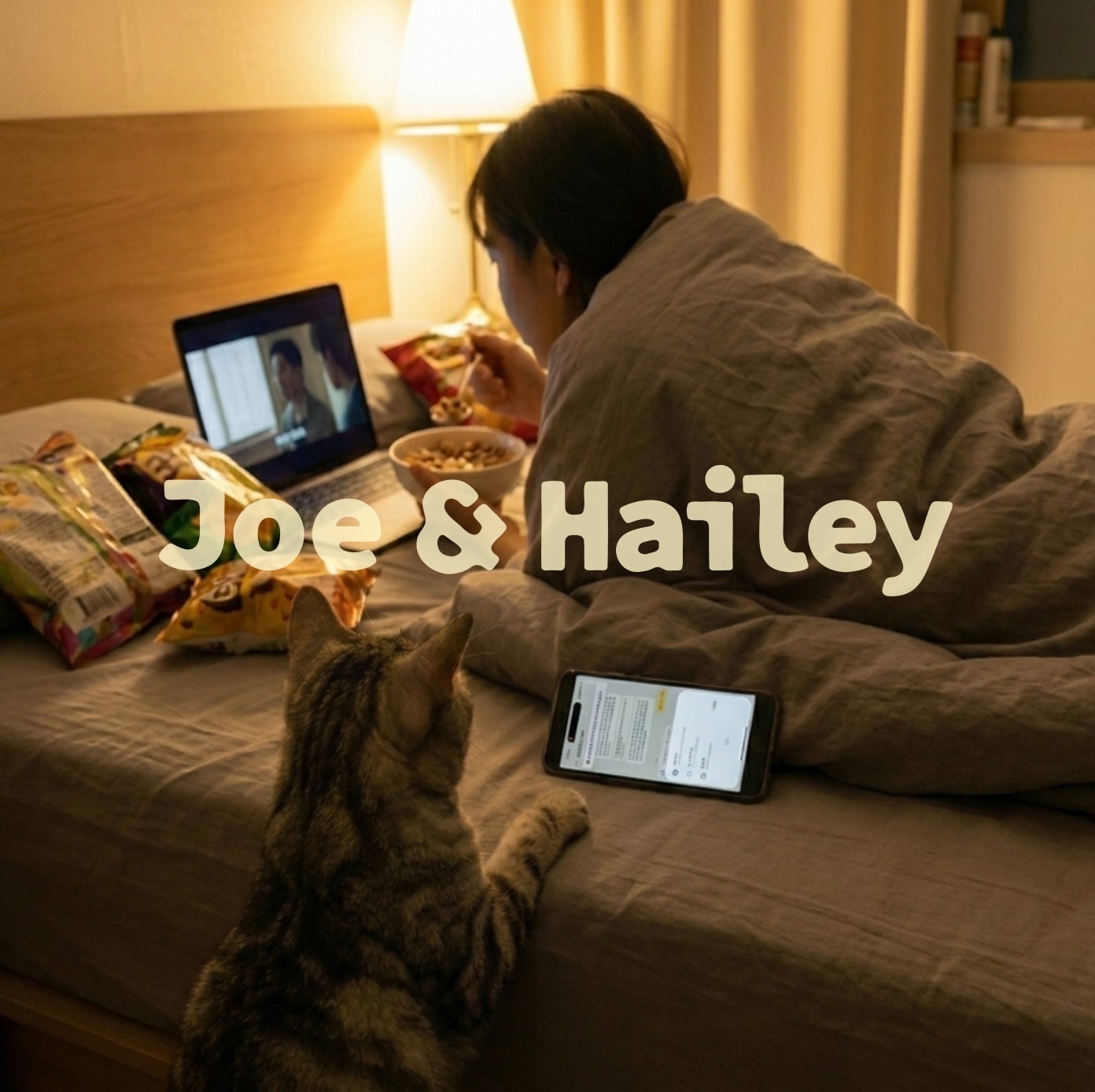
Dog content (Morocco/Philippines) · Late-night loneliness (Algeria: localized script, AI-generated talent, Arabic subtitles formatted by custom tool).
Results
Top creatives drove measurable full funnel improvement, from registration to in-app engagement. The three winners (Killing Time alone, Killing Time in group, Talk Unfiltered) won on the metrics that matter: not just who clicked, but who stayed and used the app. The campaign also validated a channel strategy, acquiring female users through Rest-of-World markets (Morocco, Algeria, Philippines, Brazil) was significantly more cost-efficient than Europe across all six priority metrics.
190+ assets across 8 markets
7 message angles tested → 3 winners
RoW strategy validated: female acquisition significantly cheaper than EU
2 custom AI tools built
Female Ratio adopted as a core creative KPI The framework and tooling built here now underpin ongoing creative iteration across Azar and Vividi.
What's Next
The gym selfie worked; the dog content worked, which opened a bigger question: what else works, and why? Next, the visual universe expands (foodies, travelers, festival-goers, campers, photo enthusiasts, fashionistas.. each a "wanna be" hook for a different user), and the ad structure itself becomes the variable: moving body and outro from fixed to tested, toward a formula, not just "this message works," but "this message, delivered this way, to this audience, in this structure."